

01
Argentine helado
Why it worksThe tradition this whole site starts from: four process choices, a map of where it is strongest, and the board group by group.
The journal
Everything published here, in one list. No news cycle, no dates on the front of it: these are reference pages, kept current rather than replaced.

Ten subjects, and the reason each one is here.
Argentine helado, then the gelato comparison. Everything else leans on those two.
The grouped list, the crazy end of it, and how pairings actually work.
Dulce de leche, pistachio, London, the British trade. Read them in any order.


Reference pages, not a news feed.
Reading order:for a first visit, Argentine helado, then gelato versus ice cream, then the unusual flavours list. The three build on each other in that order.
This is a reference section rather than a blog. Ice cream does not generate news often enough to justify a feed, and the questions people actually arrive with are the same ones every year: what gelato is, why one scoop tastes stronger than another, whether an unfamiliar flavour is worth ordering, and what dulce de leche actually is. So the pages below are written to be revisited, not to be scrolled past once.
Two threads run through all of them. The first is Argentina, because the Argentine tradition is the one this site starts from: an Italian craft carried across the Atlantic and rebuilt around a different pantry. The second is mechanism. Wherever there is a claim about how something tastes, there is an explanation underneath it about air, fat, sugar, salt or temperature, because those five things decide almost everything in a freezer.
Three kinds of reader, and the pages are written for all three at once. The first arrives with a single question, usually about gelato or about a flavour they have just seen on a board, and wants an answer in a paragraph rather than an essay. Each page front-loads that answer and then explains itself underneath, so nobody has to read to the end to get the point.
The second is cooking. Where a page carries a method, the method is written to be followed rather than admired: proportions by weight, the failure modes listed plainly, and no equipment assumed beyond a heavy pan and a freezer. The dulce de leche and pistachio pages both work that way, and both say which shortcuts are worth taking.
The third is standing in front of a cabinet with a queue behind them. That reader needs signals rather than theory, so every guide ends up with a short list of physical tells: the serving tool, the shape of the cup, the colour of the pistachio, the number of dulce de leche variants. Those lists are the most useful thing on the site and they take about ten seconds to use.
The order they were written in is not the order to read them in. Argentine helado and the gelato comparison are the two that everything else leans on, and the flavour pages assume both. Somebody arriving with a specific question can ignore all of that and go straight to it; somebody arriving curious is better served starting at the top and working down.
Corrections are made in place rather than posted as updates, which is why there are no dates stamped across the front of this section. A reference page with a date on it invites the reader to judge it by its age instead of its contents, and the contents here are either right or they need fixing regardless of when they were written.
Nothing on this site is sponsored, and no shop, brand or producer has paid for a mention anywhere in it. Where a specific product or variety is named, it is because it illustrates a point about technique. FREGGO is an independent guide to ice cream culture and sells nothing at all.
One deliberate omission. There is no directory here, no shop list and no ranking of parlours, in London or anywhere else. A list like that goes out of date the month it is published, it invites the kind of paid placement this site has no interest in, and it answers a question that a map answers better. What the guides do instead is teach the signals, so a reader can walk into an unfamiliar cabinet in an unfamiliar city and work out in ten seconds whether it is worth queueing for.
Six of the ten, in the order they are worth reading. The other four are the specifics, and they are linked from the list above.
01
Why it worksThe tradition this whole site starts from: four process choices, a map of where it is strongest, and the board group by group.
02
Why it worksThe mechanism page. Air, fat, churn speed and serving temperature, with a comparison table and three tells you can read at a counter.
03
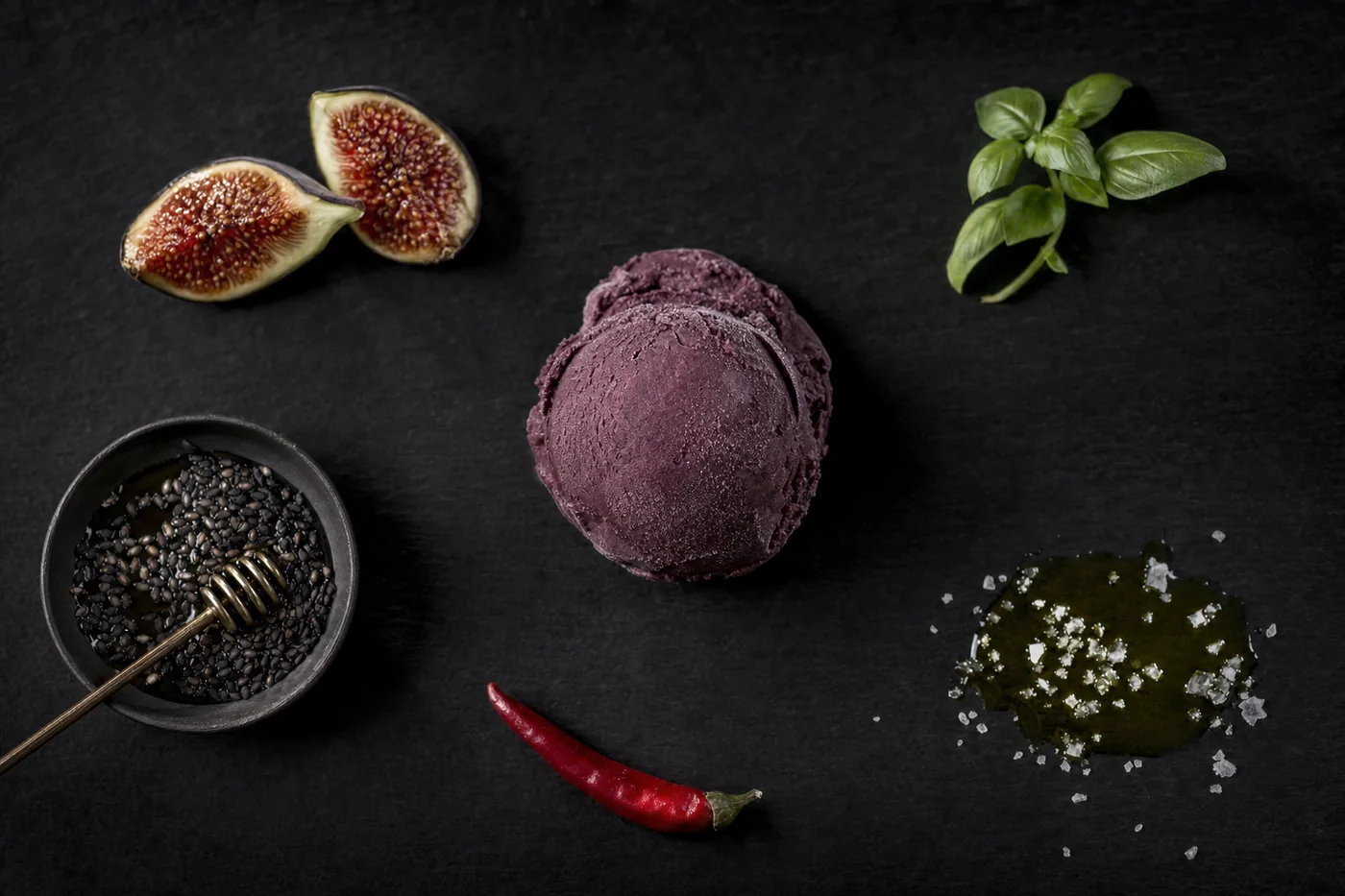
Why it worksTwenty-eight flavours grouped by what each ingredient does, and the test for telling a real pairing from a photogenic one.
04
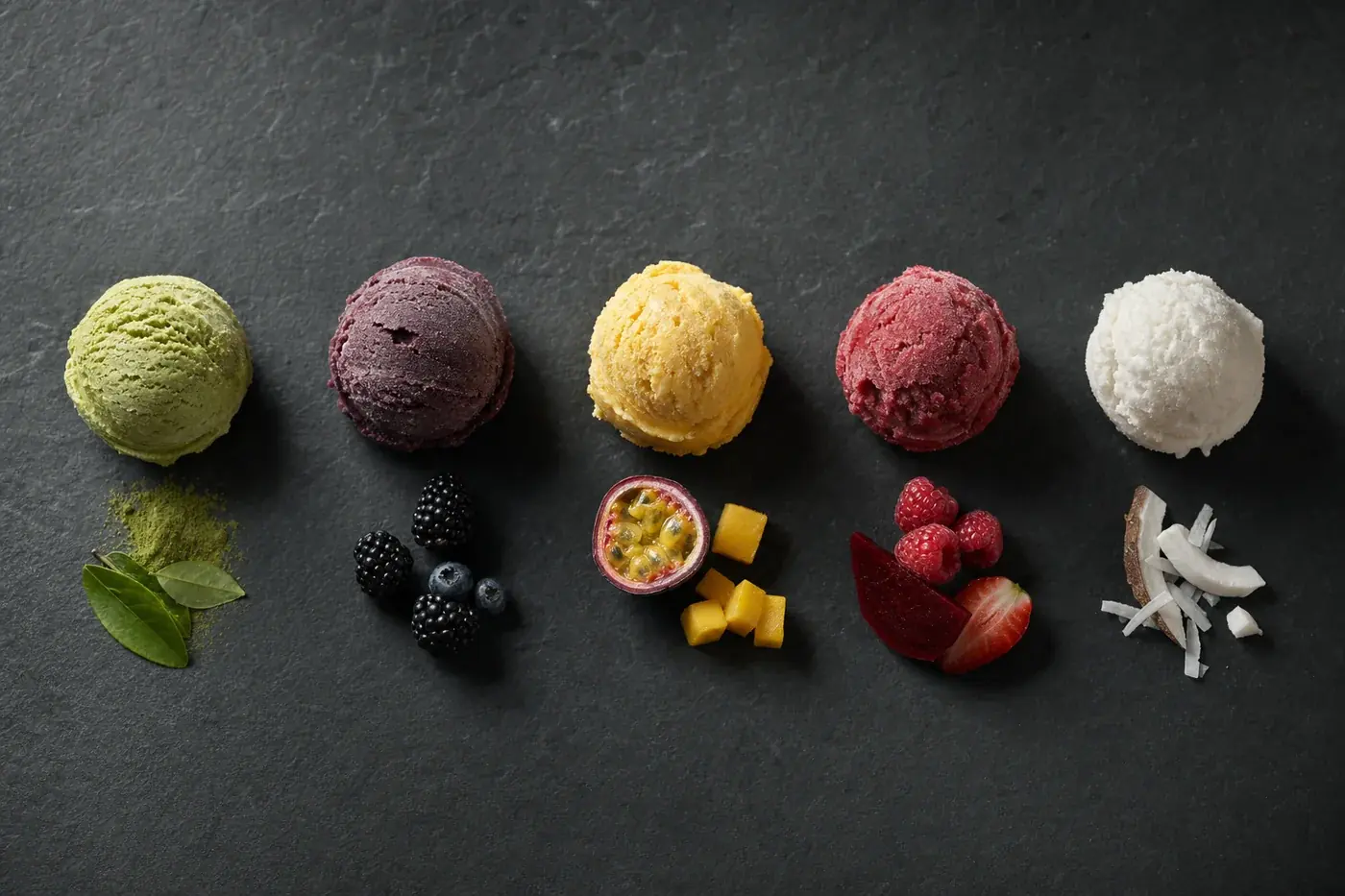
Why it worksThe four jobs a second ingredient can do, the five pairings where the mechanism is clearest, and a base-against-addition matrix.
05
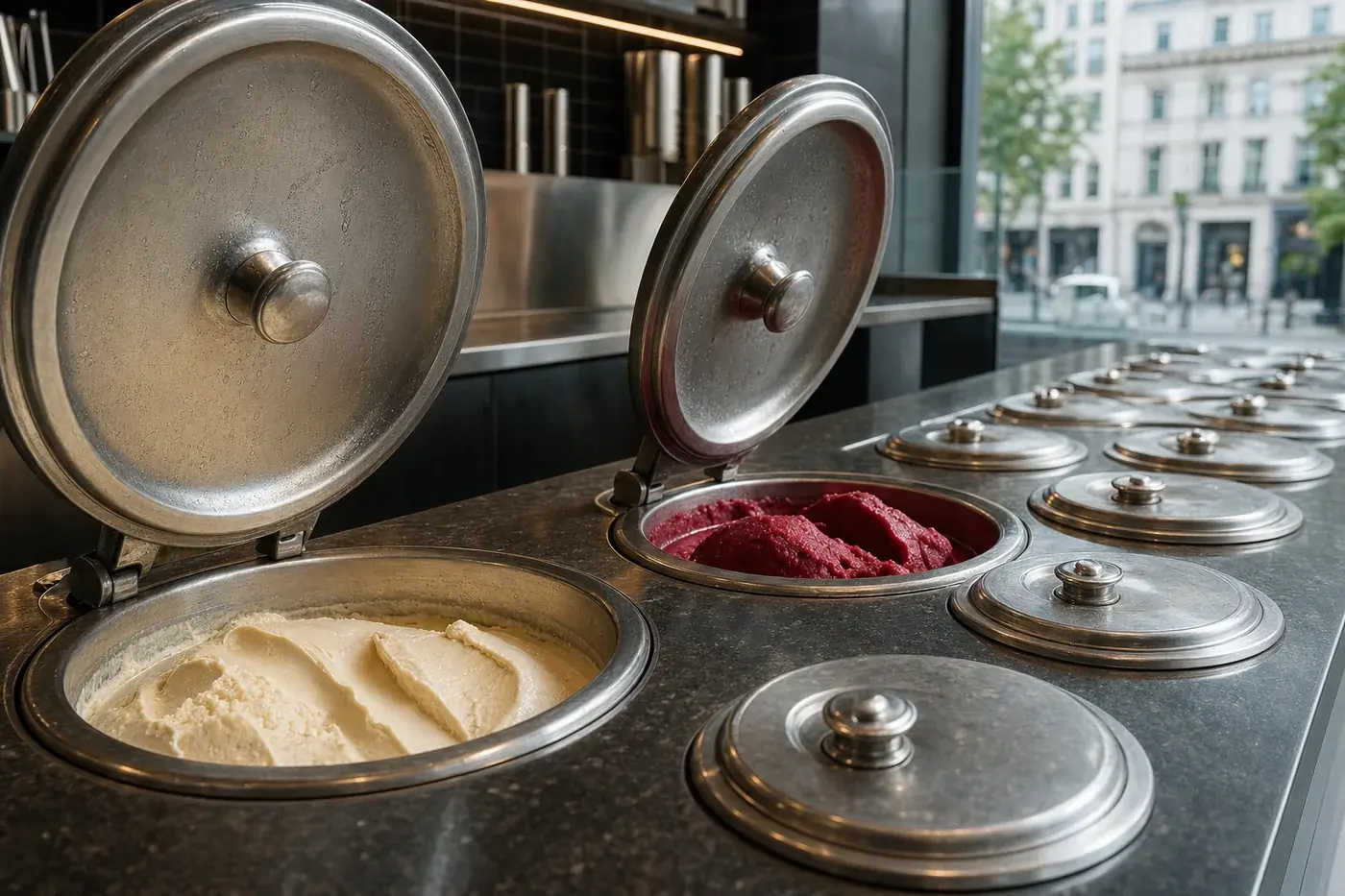
Why it worksFive borrowed traditions on one high street, the equipment that changed the counters, and where the trade clusters.

06
Why it worksThree shifts that reshaped the trade, what happened to the van, and a map of where British ice cream still has a character of its own.
Five things worth stating plainly.
With Argentinian ice cream, then gelato versus ice cream, then the unusual flavours list. The first explains why the Argentine board looks the way it does, the second settles the vocabulary, and the third is the part most people came for. Anyone arriving with one specific question can ignore that order entirely.
No, and there is not going to be one. A list of counters is out of date the month it is published and it invites exactly the kind of paid placement this site avoids. The guides teach the signals instead, so an unfamiliar cabinet can be read in ten seconds without anybody having recommended it.
Ten. Three on what Argentinian ice cream is and how it differs from Italian gelato, three on flavours, and four on places and single ingredients, from London and the British trade to dulce de leche and pistachio. Each one stands on its own and links to the others where they overlap.
Because these are reference pages rather than news. Corrections are made in place, so a date would tell a reader when a page was first written rather than whether it is currently right, and the second is the only thing that matters here.
No. Nothing on this site is paid for by anyone it writes about, no shop or producer has bought a mention, and there is nothing to buy here. Where a variety or a product is named it is because it illustrates a point about technique.