- 28flavours
- 6groups
- 7 minread
The flavour guide
The Unusual Ice Cream Flavours Worth Knowing: Weird, Rare and Unique
Twenty-eight flavours, grouped by what they actually do to a scoop rather than by how strange they sound. Some are centuries old. A few are barely a decade old.
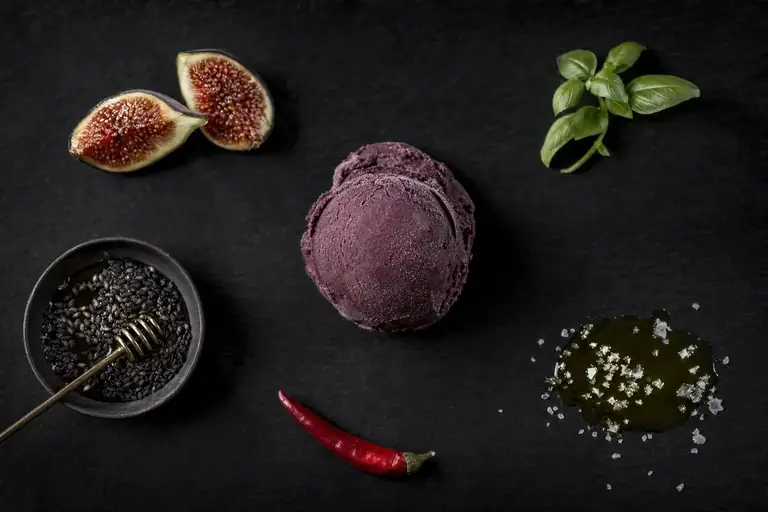
Weird ice cream flavours that actually work
A long board is easy. A long board where every entry has a reason is not. These twenty-eight earn their place because each one balances contrast against craving.
- 01
Familiar base
It starts with a texture the palate already trusts: creamy, fruity, nutty, bright. Nothing unusual has happened yet.
- 02
Unexpected accent
Then one ingredient arrives that surprises without overwhelming, and it has to be doing a job rather than making a point.
- 03
Balanced finish
Season, fold or pair until the scoop closes cleanly. If the accent is still shouting at the end, it was not finished.
Unusual does not have to mean unpleasant.
How to read the list:the groups describe what each flavour does, not how odd it is. A scoop can be entirely unfamiliar and still sit in the same group as vanilla, and several do.
Unusual ice cream flavours have a bad reputation, and most of it is earned. Most weird ice cream flavours are weird for the sake of it, and a counter that puts bacon and bubblegum beside each other is usually chasing a photograph, not a flavour. But the good ones are not weird for the sake of it: they are built on the same three levers every scoop is built on, which are fat, sugar and salt, and they use an unfamiliar ingredient to push one of the three further than a familiar one could.
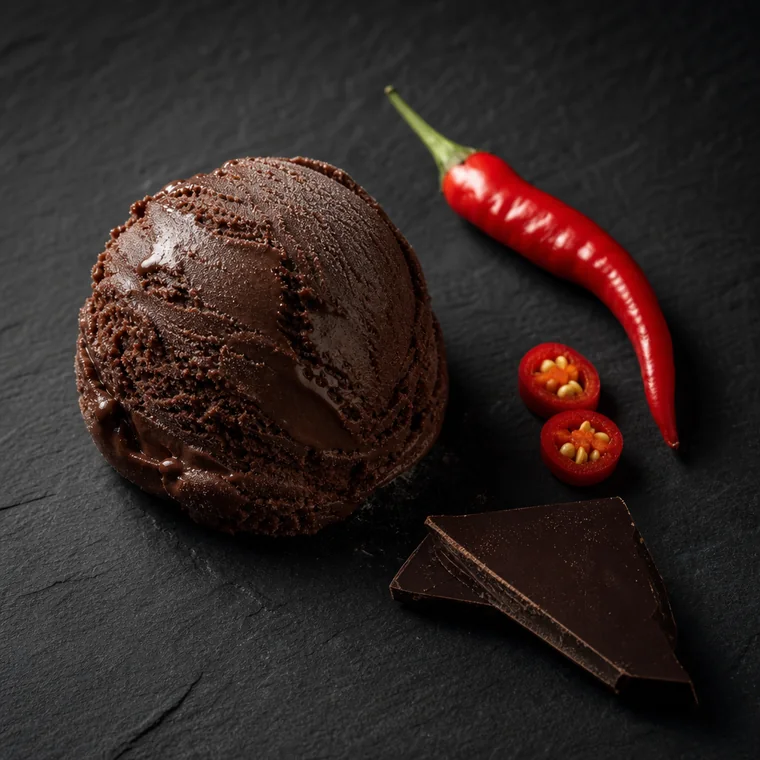
Olive oil and sea salt is the clearest example of what weird ice cream flavours can do when somebody has thought about them. Fat carries flavour and holds it on the palate, so a good olive oil lengthens a scoop the way cream does, while salt sharpens the sweetness around it. Nothing about that is a gimmick. The same logic explains black sesame, which behaves like a toasted nut, and chilli with chocolate, which is older than the ice cream it now sits in.
Rare flavours you will only meet in one city
Some rare ice cream flavours never travel, because the ingredient does not. Sambayon, built on egg yolk and sweet wine, is on nearly every board in Buenos Aires and almost none in London. Black sesame is everywhere in Tokyo and rare outside it. Corn appears across Peru and Mexico and is treated as an oddity elsewhere, which says more about the elsewhere than about the corn.
Rarity on its own is not a recommendation. A flavour can be rare because it is difficult, because the fruit has a two-week season, or simply because nobody has bothered. The rare ice cream flavours worth the detour are the first kind.
Unique combinations with a real idea behind them
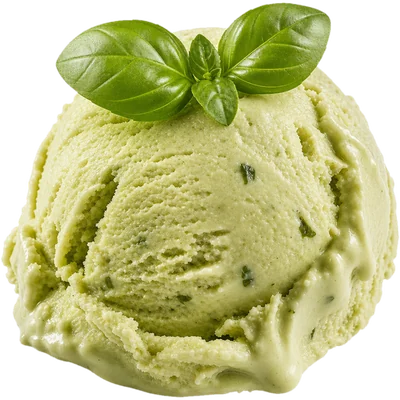
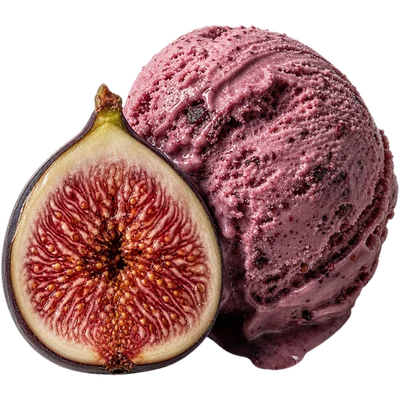
The most interesting entries are pairings rather than single ingredients. Basil with lemon works because basil is a soft herb with a sweet edge and citrus keeps it from turning soapy. Black fig with balsamic works because aged vinegar is sweet before it is sour. Neither is unique in the sense of never having been done. They are unique in the sense that the two halves need each other.
That is the whole test for unusual ice cream flavours, and it is simple enough to apply at a counter. Ask what the second ingredient is doing. If the answer is a colour or a texture, it is decoration. If the answer is that it fixes something about the first ingredient, it is a flavour. The five where the mechanism is clearest are set out on the combinations page.
How the unusual ice cream flavours list is grouped
The list of unusual ice cream flavours below runs to six groups and twenty-eight entries. Herbal and floral flavours lean on aromatics. Savoury ones borrow from the kitchen rather than the pastry section. Spiced flavours use heat as a finish. Bitter ones use it as a counterweight. Nut and seed flavours carry fat. Fruit and vegetable ones carry acid and water, which is the hardest thing to get right in a frozen dessert.
A note on where these are found. The list is not a directory, and none of these flavours belongs to one shop. Several of them turn up on the same board in Buenos Aires that carries four versions of dulce de leche, which is covered on the Argentine helado page. The stranger end of the same subject sits on the crazy flavours list.

Twenty-eight flavours, grouped
mildadventurous
Each entry says what the ingredient is doing. Nothing here is on the list because it photographs well, and the groups run roughly from the easiest to the hardest sell.
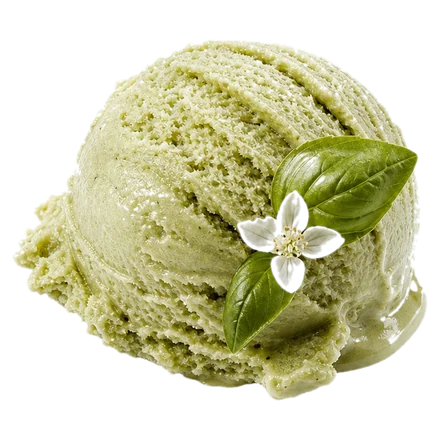
Herbal & floral
5 flavours
Aromatics, which need acid or fat nearby or they turn soapy.
- Basil and lemon
- Rosemary and honey
- Elderflower
- Rose and pistachio
- Shiso
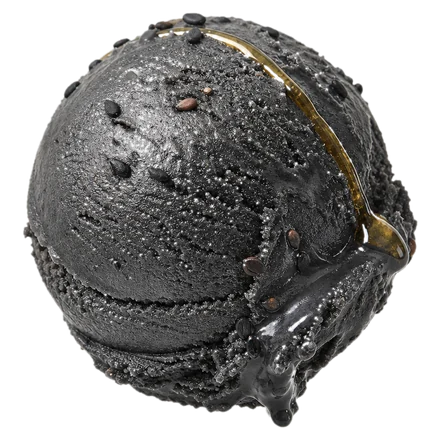
Savoury
6 flavours
Borrowed from the kitchen. These live or die on salt.
- Olive oil and sea salt
- Black sesame and honey
- Sweetcorn
- Parmesan and pear
- Miso caramel
- Roast garlic
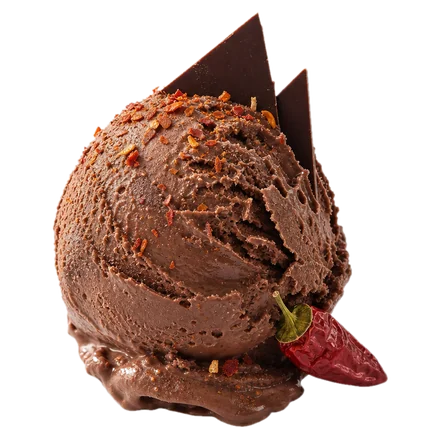
Spiced
5 flavours
Heat used as a finish, arriving after the sweetness rather than with it.
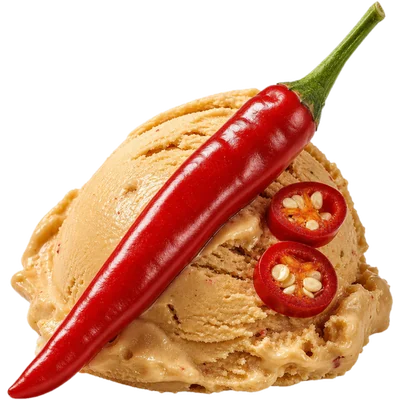
- Chilli and chocolate
- Cardamom
- Szechuan pepper
- Ginger
- Black pepper and strawberry
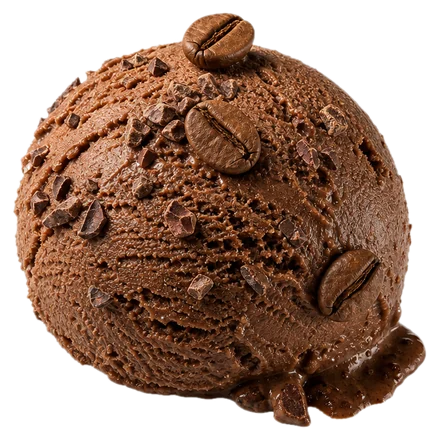
Bitter
4 flavours
Bitterness as a counterweight to sugar, not as a shock.
- Espresso and cacao nib
- Burnt caramel
- Amaro and orange
- Charred coconut
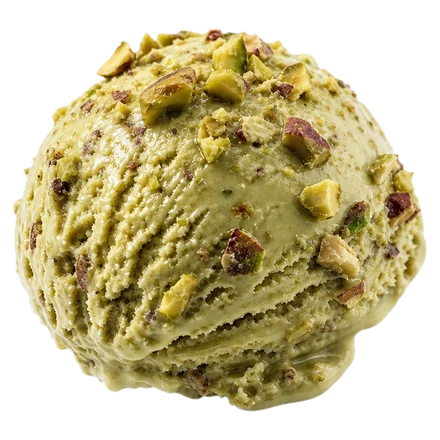
Nut & seed
4 flavours
Fat carriers. The group where quality is easiest to taste.
- Pistachio
- Hazelnut and brown butter
- Tahini and date
- Pine nut
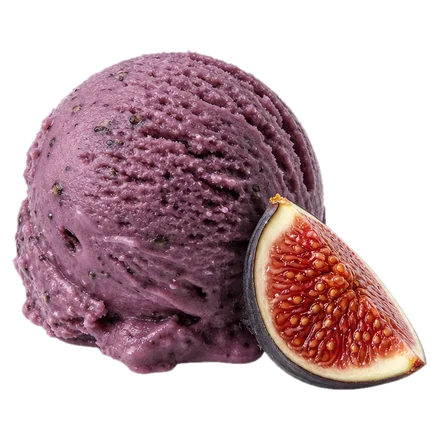
Fruit & vegetable
4 flavours
Acid and water, which is the hardest thing to freeze well.
- Black fig and balsamic
- Tomato and vanilla
- Beetroot and orange
- Rhubarb and custard
How adventurous is your scoop?
Every palate has a comfort zone. The three below mark the edges of it, and most of the twenty-eight sit somewhere between them.
Black fig and balsamic, basil and lemon, olive oil and sea salt. Unfamiliar on the board and completely legible on the spoon. This is where most people discover the list is not a joke.

FamiliarFearless
Questions about unusual flavours
What people ask before they order something they cannot picture.
Are unusual ice cream flavours just a gimmick?
Some are. The test is whether the second ingredient fixes something about the first. Salt sharpening sweetness and fat lengthening flavour are real mechanisms; a colour or a texture on its own is decoration. A board with a long list of weird ice cream flavours and no plain crema is usually the second kind.
Which unusual flavour should someone try first?
Olive oil and sea salt, if it is made properly. It is the clearest demonstration of what an unfamiliar ingredient can do to a scoop, and it is savoury without being strange. Black sesame and honey is the next step, since it behaves like a toasted nut.
Why are some flavours only available in one country?
Usually the ingredient. Sambayon needs a sweet wine tradition, black sesame needs a paste that is a store cupboard staple in Japan and a specialist import elsewhere. Rare ice cream flavours are more often a supply story than a skill story.
Do savoury ice creams contain less sugar?
Rarely. Sugar does structural work in a frozen dessert: it lowers the freezing point and keeps the texture scoopable. A savoury flavour usually keeps the sugar and adds salt and fat to balance it, which is why it does not taste as sweet as it is.
Is there a flavour that never works?
Anything with a lot of free water and no fat to hold it, unless it is made as a sorbet instead. Watery ingredients freeze into ice crystals rather than cream, which is why cucumber and melon are far better as granita than as a dairy scoop.