FREGGO

The world of Argentine gelato

Every scoop has a story

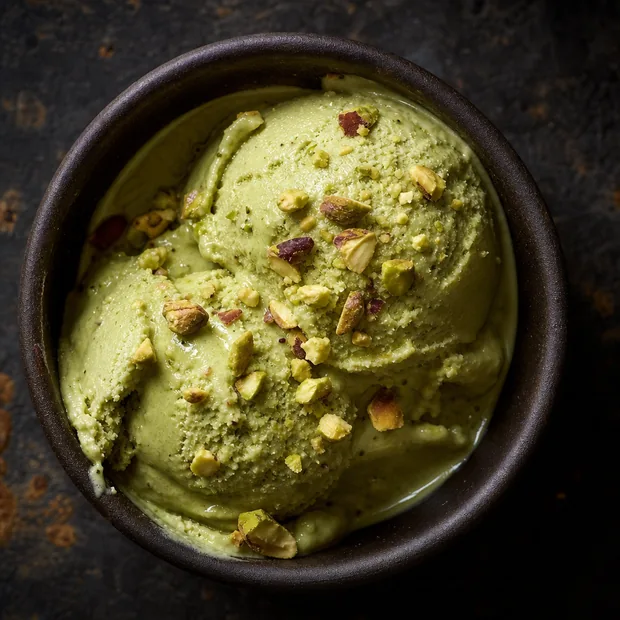
From timeless Argentine favourites to wonderfully unexpected creations, every scoop has something new to reveal. Explore the flavours, follow your curiosity, and discover the one you’ll fall in love with - one delicious bowl at a time. Sweet, bold, creamy or surprising, there is a flavour for every mood. Your next favourite might be just one scoop away.

Discover unusual flavours
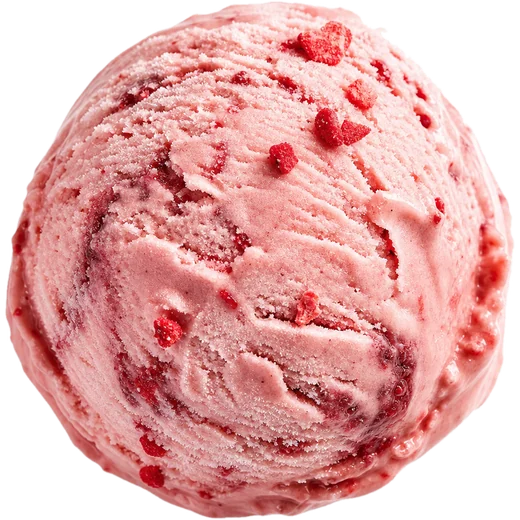
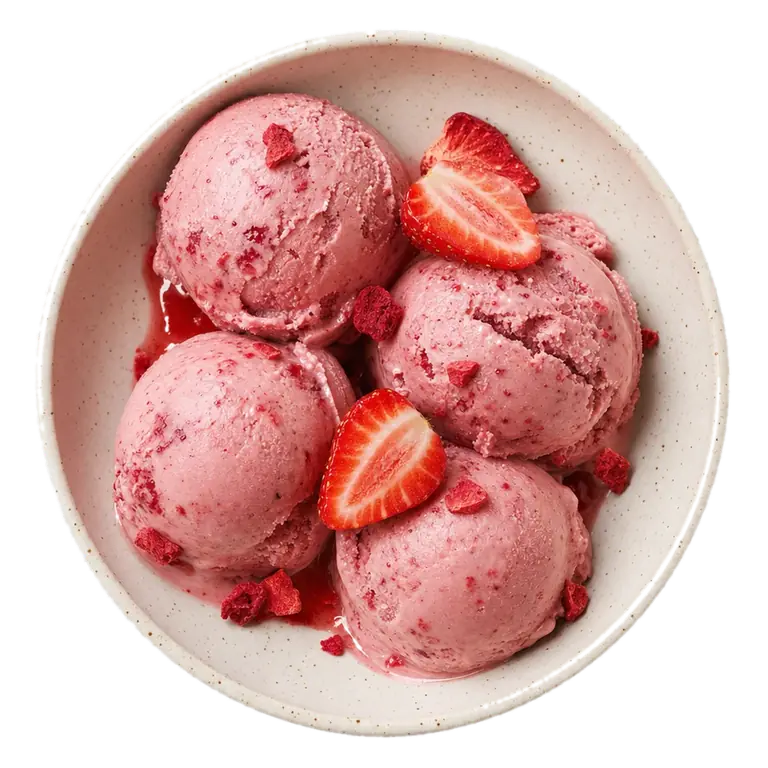
A bowl of strawberry gelato seen from above, topped with fresh strawberry halves and freeze-dried strawberry pieces.

Choose a flavour

The flavour begins here

Great gelato is a craft of balance. From slow churning to a smooth, luscious finish, every detail matters.

An empty golden waffle cone with an embossed lattice pattern.
  1. 02Texture Creamy, smooth and velvety. The balance sits between indulgence and lightness, and neither side is allowed to win.
  2. 03Finish Every spoonful leaves a clean, mellow finish that lingers just long enough to make the next one worth taking.
  1. 01Churn Slow churned to fold in less air, which is what makes the texture denser, silkier and the flavour more intense.

Unusual ice-cream flavours

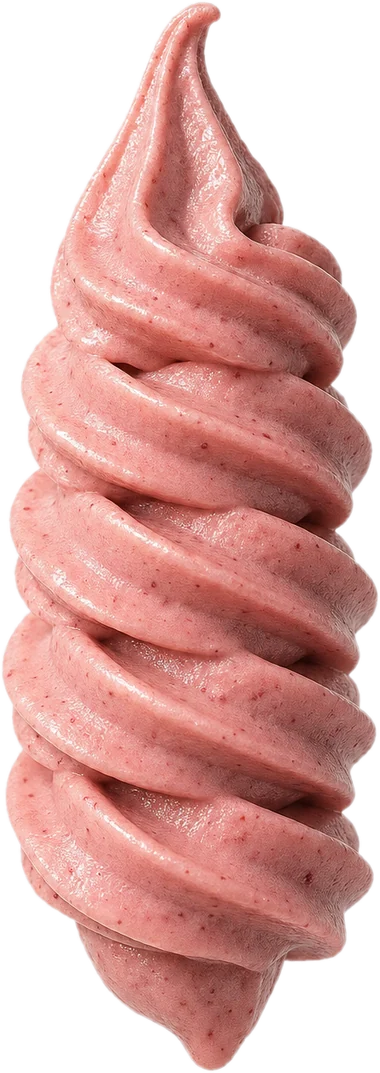
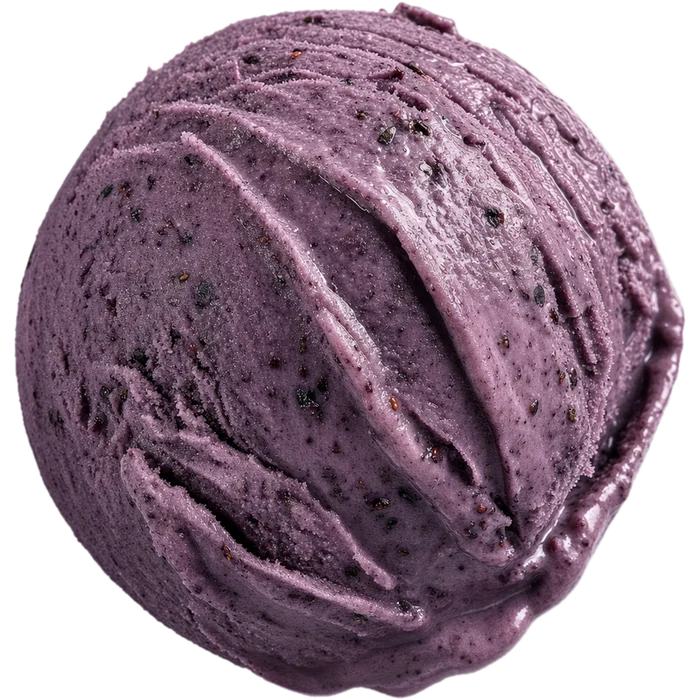
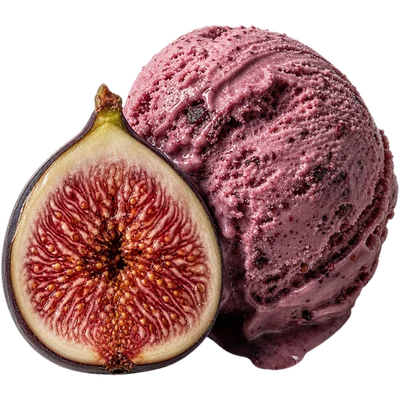
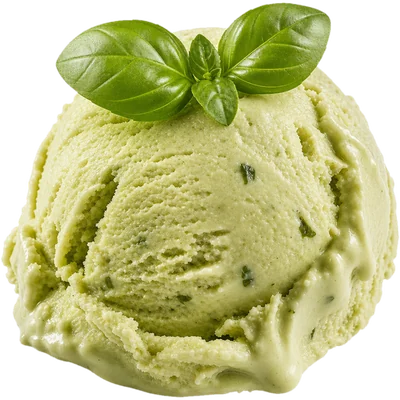
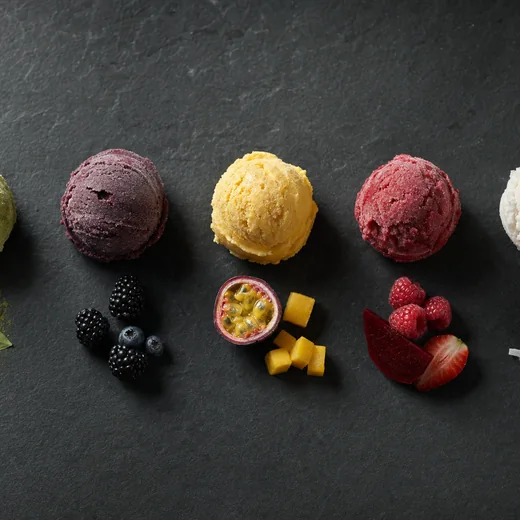
Beyond the expected. Inspired by Argentina, made for the curious. From sweet to savoury, herbal to spicy, there is a whole world waiting to be scooped.

28Flavours
worth
discovering

Explore all flavours

Build the perfect scoop

Layer, top and sprinkle to your heart’s content.

A waffle cone being built up with a scoop of gelato, a ribbon of sauce and crushed wafer.
  1. 04SprinklesFor that final flourish.
  2. 03CrunchA little texture goes a long way.
  3. 02SauceVelvety ribbons of flavour.
  4. 01GelatoChoose your perfect scoop.

Why Argentine gelato tastes different

01

Heritage

A deep Italian influence, carried across the Atlantic and reworked in Argentina over generations until it became its own thing.

02

Ingredients

Real milk, real cream, real fruit and real nuts. The ingredient list is short on purpose, and there are no shortcuts hiding in it.

03

Balance

Less air, more flavour. It is creamy and dense rather than light and airy, and it is made to be savoured slowly.

More on Argentine gelato and how it is made

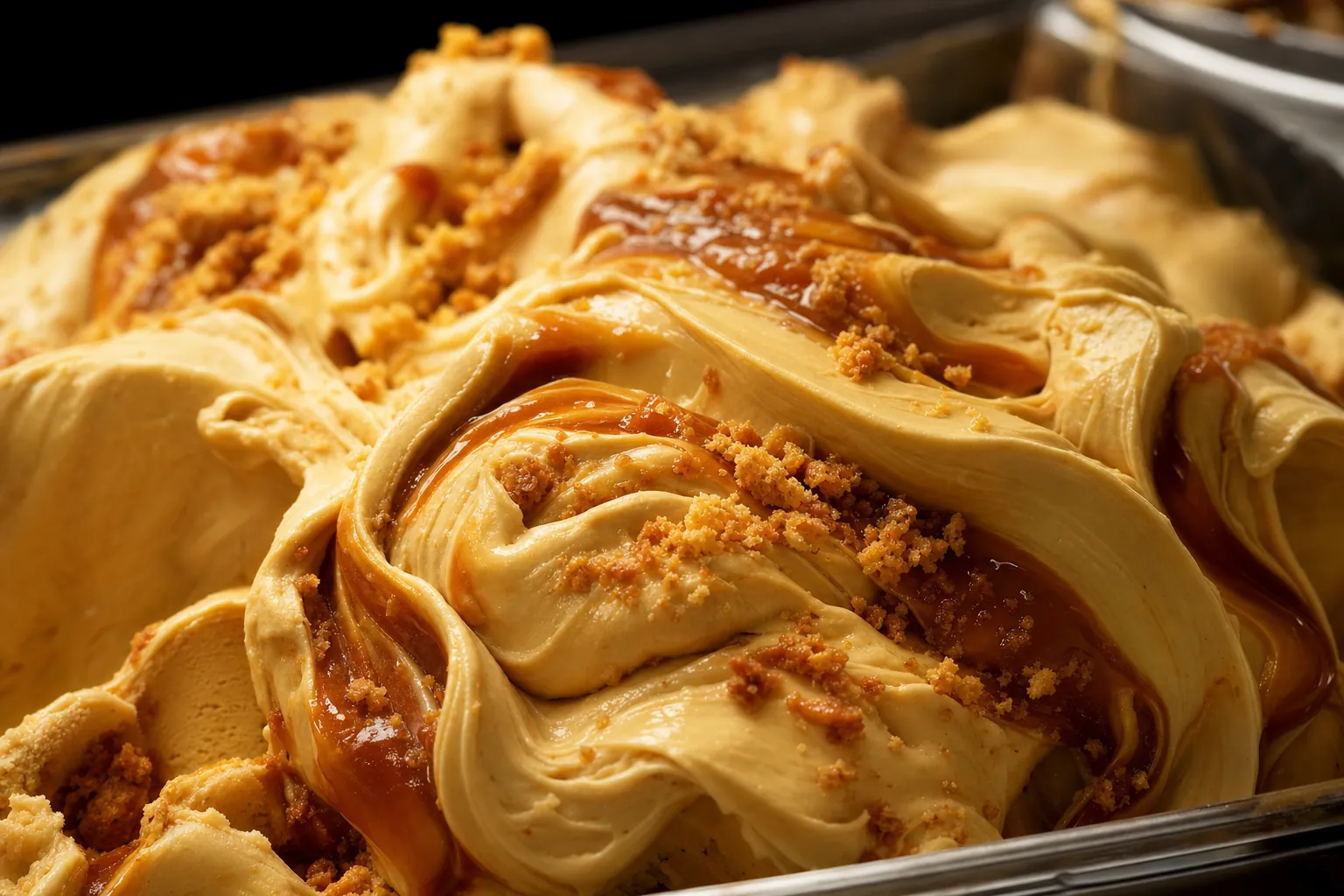
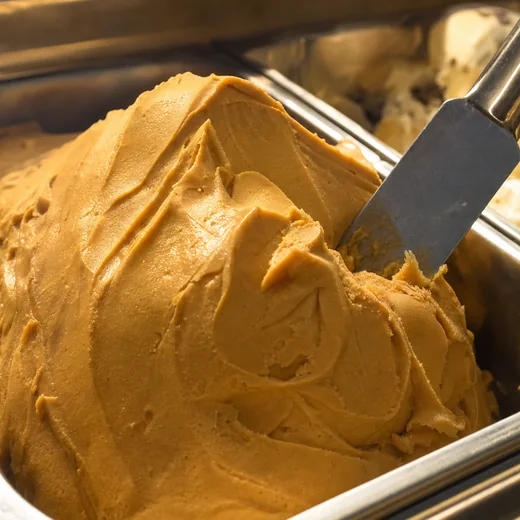
A steel pan of dulce de leche gelato on a gelateria counter, its surface folded into caramel swirls with crumbs of caramelised milk over it.

Argentine gelato, read from London

Argentina makes ice cream that behaves differently from the Italian gelato it descends from, and differently again from what sits in a British freezer aisle. It is denser, it stays pliable longer, and it is built on a much shorter ingredient list. This is where that difference gets explained and where the flavours worth knowing get named.
What makes Argentine helado its own thing

Helado artesanal is churned slowly, so less air folds into the mix. That raises the density and pushes the flavour forward, which is why a small cup goes further than its size suggests. It is also served a few degrees warmer than hard-scooped ice cream, so it stays soft enough to be shaped rather than dug out. An Argentine cup arrives moulded into a peak for exactly that reason.

The board follows its own categories rather than the chocolate-vanilla-strawberry trio. Chocolates sit in one group, cremas in another, then fruit sorbets, nut and caramel bases, and the sambayón family built on egg yolk and sweet wine. Dulce de leche runs through several groups at once, which is why it reads less like a flavour and more like a national ingredient.

What makes Argentine helado unique, city by city
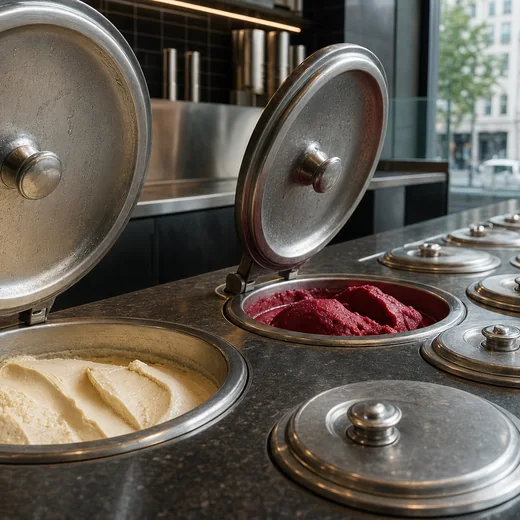
Where the London ice cream scene picks it up

London has spent two decades absorbing frozen-dessert technique from everywhere, and the Argentine method arrived alongside the Italian one. Search for ice cream London today and the results run from gelaterias to soft-serve counters to sorbet specialists, and most of what separates them comes down to three things: density, serving temperature, and how much air went in during churning.

A parlour working in the Argentine style gives itself away in small ways. Cups come moulded to a point rather than levelled flat. The flavour board is longer than a British counter would usually risk, often twenty entries or more, and it is grouped rather than listed. Dulce de leche appears more than once, in versions that are not interchangeable.

The London counter, the kit behind it and what sells
How to read a flavour board

A long board is not automatically a good one. The thing worth reading is whether the unusual entries share a logic with the plain ones. Basil and lemon next to a well-made crema suggests a kitchen testing its own limits; the same basil beside a wall of pre-mixed bases suggests novelty for its own sake.

That is the line the guide to unusual ice cream flavours follows, and the stranger end of the list gets the same treatment. Some of the oddest combinations turn out to be the oldest, and some of the safest ones are the hardest to make well.

It is also why the list is grouped by what an ingredient does rather than by how odd it sounds. Read that way, half the board stops being strange: the salt is doing what salt always does, the fat is carrying flavour the way cream does, and the only genuinely unusual thing on the counter is that somebody thought to try it in a freezer.

How to read a board, and the five best pairings
The British side of the story runs in parallel, from van routes and seaside kiosks to the current wave of small-batch producers, and it is covered in the notes on the British ice cream industry. Newer pieces land in the journal.

Questions about Argentine gelato

The six that come up most often, answered without the marketing.

What is the difference between gelato and ice cream?

Gelato is churned more slowly and served warmer, so far less air is beaten into it. Ice cream in the British and American sense can carry up to half its volume in air; gelato usually carries a fraction of that. The result is denser, tastes stronger for the same amount of sugar, and melts faster on the tongue.

What makes Argentine helado different from Italian gelato?

The technique is largely inherited, so the difference sits in the repertoire and the serving. Argentine boards lean on dulce de leche, sambayón and cremas built on egg yolk, and a cup is moulded into a peak rather than levelled off. Portions also tend to run larger than an Italian gelateria would serve.

What is dulce de leche?

Milk and sugar cooked down slowly until the sugars caramelise and the mixture thickens into a spreadable toffee. It is not caramel sauce, which starts from sugar alone, and the difference shows in the taste: dulce de leche keeps a dairy roundness that burnt-sugar caramel does not have.

Which unusual ice cream flavours are actually worth trying?

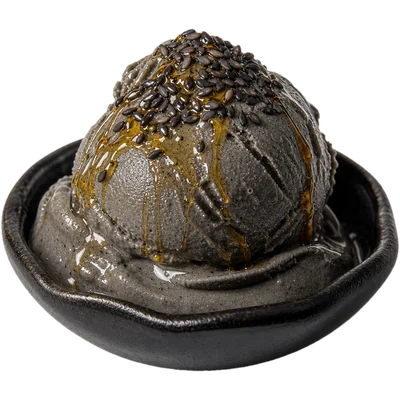
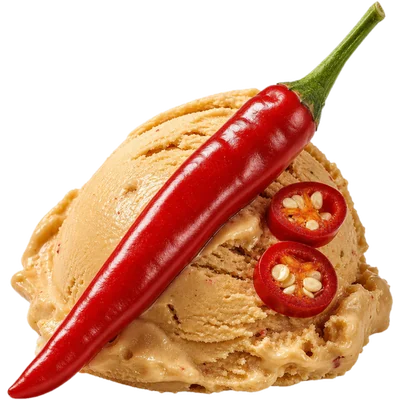
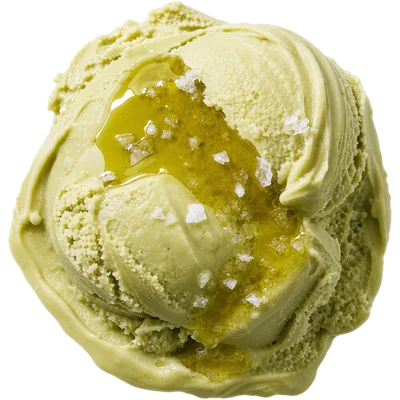
The ones with a reason behind them. Olive oil and sea salt works because fat carries flavour and salt sharpens sweetness. Black sesame and honey works the way toasted nuts do. Chilli and chocolate is centuries older than the ice cream it now sits in. The flavour guide goes through them one at a time.

Does gelato contain less fat than ice cream?

Usually, though not always, and the density can make it feel richer regardless. Gelato leans on more milk and less cream than a typical British recipe, which lowers the fat while the low air content raises the perceived body. Sorbets in the same cabinet carry no dairy at all.

Why does gelato melt so quickly?

Two things work together. It is served warmer, so it starts closer to melting, and it holds less air, so there is less insulating structure inside it. That is also why it is served with a flat spade rather than a ball scoop, and why it rewards eating without pausing.

Stay curious. Try another scoop.

Explore all flavours