- 1flavour, as a test
- 2decisions
- 5 minread
One flavour, as a test
Pistachio Ice Cream: The Recipe, the Nuts, and What the Real Colour Is
No flavour exposes a kitchen faster. The nut is expensive, the colour is a giveaway, and there is nowhere for a cheap base to hide behind it.
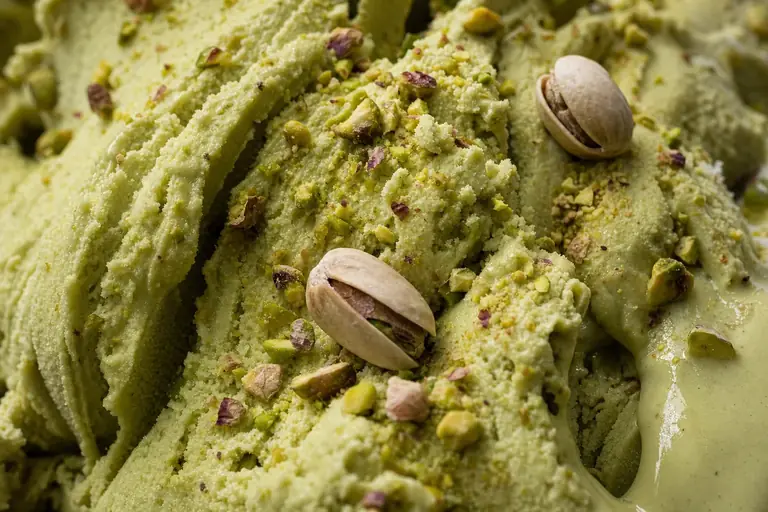
What good pistachio ice cream tastes like
Savoury before it is sweet, and never as green as people expect.
- 01
Grind to a paste
The fat has to disperse into the base to carry the flavour. Chopped nuts cannot do it.
- 02
Decide on the skins
Skins bring tannin and colour: more depth, duller shade. Most good versions keep some.
- 03
Salt it
A quarter teaspoon sharpens the sweetness and lengthens the nut, exactly as it does for caramel.
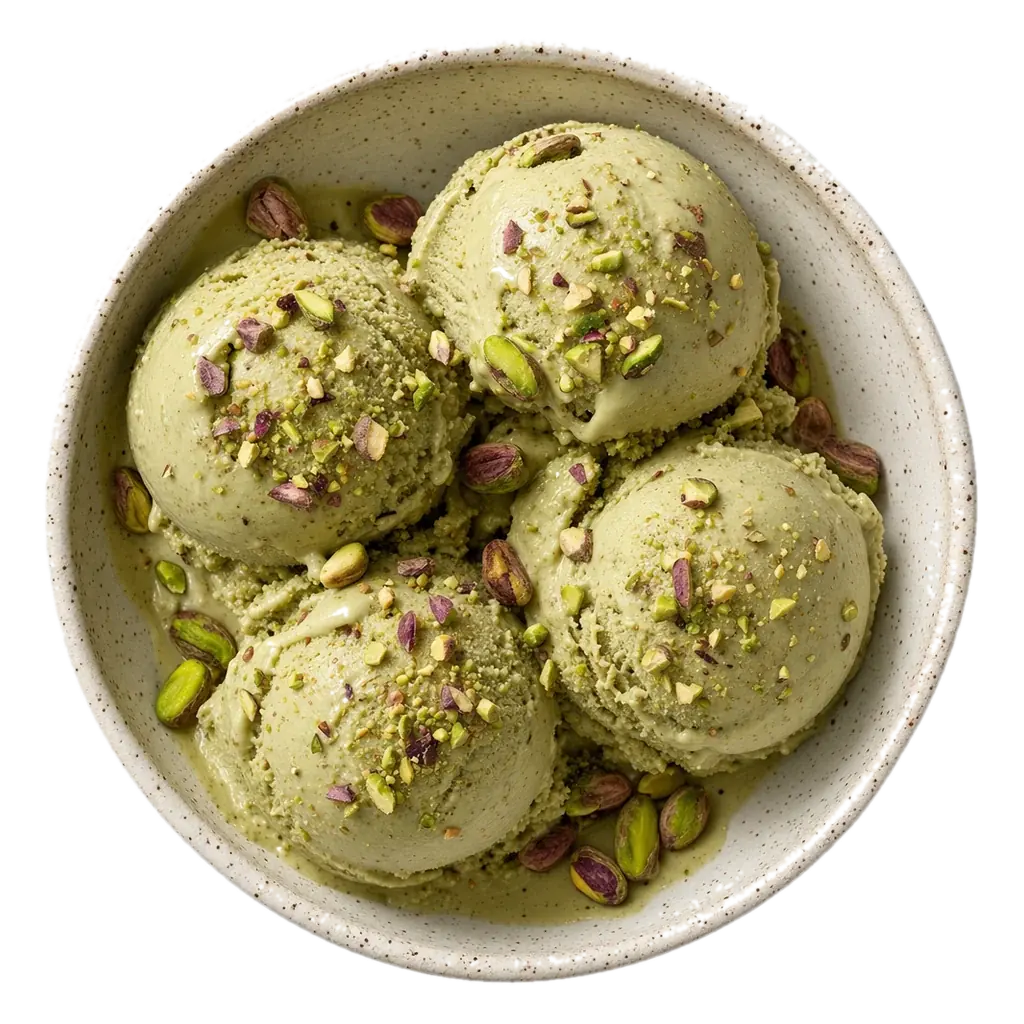
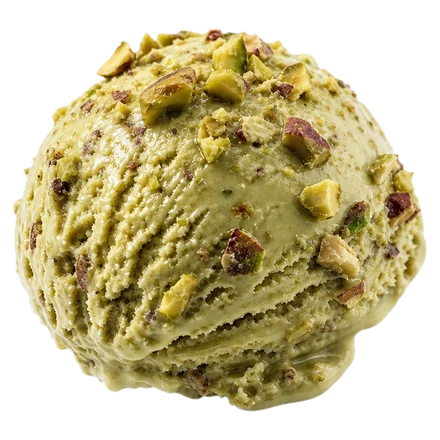
If it looks like a highlighter, it did not come from a tree.
On the paste shortcut:a jarred pistachio paste saves an hour and is a reasonable trade, but read the label. Many are cut with almond, sugar or oil, and a paste that lists anything before pistachio will taste like the thing it lists first.
Pistachio ice cream should taste faintly savoury and slightly resinous before it tastes sweet, with a long finish that keeps going after the cold has gone. If the first thing that arrives is sugar and the second is almond, what is in the cup is probably almond paste with colour in it, which is the most common substitution in the trade and the hardest one for a customer to challenge.
Pistachio ice cream is the flavour worth using as a test of any cabinet, for three reasons at once. The nut is one of the most expensive in the kitchen, so there is a real financial incentive to cut it. Its natural colour is unappealing enough that there is a cosmetic incentive to fake it. And its flavour is delicate enough that a thin, airy base swamps it completely.
The colour question: why green is a warning
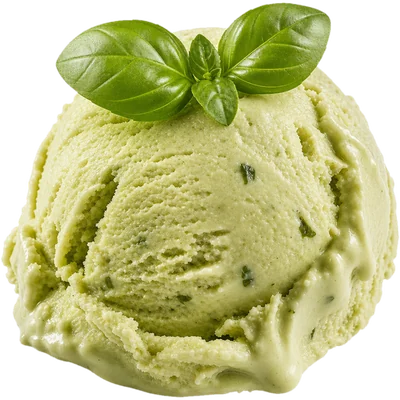
Real pistachio ice cream is a dull, slightly greyish sage, sometimes with a brownish cast from the skins. That is what happens when you grind a nut whose kernel is pale green, whose skin is purple-brown, and mix it into a cream-white base. Bright green is not a sign of more pistachio; it is a sign of colour, of a bought-in industrial base, or of almond doing the volume work.
The one honest exception is a Sicilian Bronte pistachio, which has an unusually vivid kernel and gives a noticeably greener result. Even that is a deep olive rather than a lime. If the colour looks like a highlighter, the colour did not come from a tree.
Which nuts, and how they are treated
Two decisions matter more than the variety. The first is whether the nuts are raw or roasted: light roasting deepens the flavour and pushes it toward the toasted, savoury end, while raw nuts keep more of the fresh, faintly grassy note. Neither is wrong, but a kitchen that roasts is making a choice and a kitchen that has never thought about it is not.
The second is whether the skins go in. Skins bring tannin and colour, which means more depth and a duller shade, and leaving them out gives a cleaner but flatter result. Most good versions include some. Beyond that, the nuts want to be ground to a paste rather than chopped, since the fat has to disperse into the base to carry the flavour, and a scattering of coarser nuts is added at the end for texture rather than taste.
Pistachio gelato and pistachio ice cream
The same nut behaves differently in the two products, and this is the flavour where the difference is easiest to taste. In a dense low-air gelato base, pistachio comes forward and the finish is long. In a lighter, higher-fat, higher-air ice cream, the extra fat coats the tongue and the extra air dilutes the dairy, so the same quantity of nut reads as milder and rounder.
That is not an argument for one over the other, but it does explain why the best pistachio is usually found in a gelateria cabinet. If the nut is the point, density helps. The full mechanism is on the gelato versus ice cream page.
A recipe that works without a machine
For roughly a litre: grind 200 g of shelled pistachios with 50 g of the sugar until it turns to a stiff paste. Warm 500 ml of whole milk with 200 ml of double cream and 120 g of sugar until the sugar dissolves, whisk in the paste, and chill the mixture thoroughly overnight. Churn if there is a machine; if there is not, freeze in a shallow tray and beat it hard with a fork every forty minutes for about three hours.
- Chill before churning, always. A base that goes into the freezer warm forms large ice crystals, and no amount of beating recovers it.
- Salt it. A quarter teaspoon does for the pistachio what it does for caramel: it sharpens the sweetness and lengthens the nut.
- Do not add colour. The recipe will look disappointingly grey and taste more like pistachio than any bright green version ever has.

Reading the colour
Pistachio is the one flavour where the colour tells you almost everything before you taste it. Five shades, and only two of them are good news.
| Flavour | What it is doing | Group |
|---|---|---|
| Dull sage | Real ground nuts in a cream base. This is what it is supposed to look like. | Good |
| Deep olive | Bronte or another high-pigment variety, or the skins left in. Both are a good sign. | Good |
| Grey-green with flecks | Skins in and lightly roasted. Duller still, and usually the deepest flavour. | Fine |
| Bright lime | Colour, almond doing the volume work, or an industrial base. Rarely all three. | Warning |
| Neon green | Nothing that grows on a tree is this colour. The nut is decoration here, not the flavour. | Avoid |
Questions about pistachio ice cream
What people ask once they have noticed the colour.
Why is real pistachio ice cream not bright green?
Because the kernel is pale green, the skin is purple-brown and the base is cream white, so the honest result is a dull sage, sometimes with a brownish cast. Bright green comes from added colour or from an almond-based substitute, not from more nuts.
Is pistachio gelato different from pistachio ice cream?
The nut is the same; the base is not. A dense low-air gelato base pushes the pistachio forward with a long finish, while a higher-fat, higher-air ice cream rounds it off and mutes it. That is why the best examples are usually found in a gelateria cabinet.
Should the pistachios be roasted?
It is a real choice rather than a rule. Light roasting deepens the flavour toward the toasted and savoury end; raw nuts keep a fresher, faintly grassy note. What matters more is that someone decided, and that the nuts are ground to a paste rather than chopped.
Can it be made without an ice cream machine?
Yes. Chill the base overnight, freeze it in a shallow tray, and beat it hard with a fork every forty minutes for about three hours. The texture will be slightly coarser than a churned batch, but the flavour is unaffected, and the recipe above is written for that method.
Is pistachio paste worth buying instead of grinding nuts?
It saves real time and it is a fair trade, provided the label is read. Many pastes are cut with almond, sugar or oil, and anything listed before pistachio will dominate the finished scoop. A paste that is only pistachio behaves exactly like fresh ground nuts.