FREGGO
  • 4jobs
  • 5pairings
  • 6 minread

Reading the board

How to Read a Flavour Board: The Best Ice Cream Combinations

Every pairing on a good board is doing one of four jobs. Once you know which four, a board you have never seen becomes readable in about ten seconds.

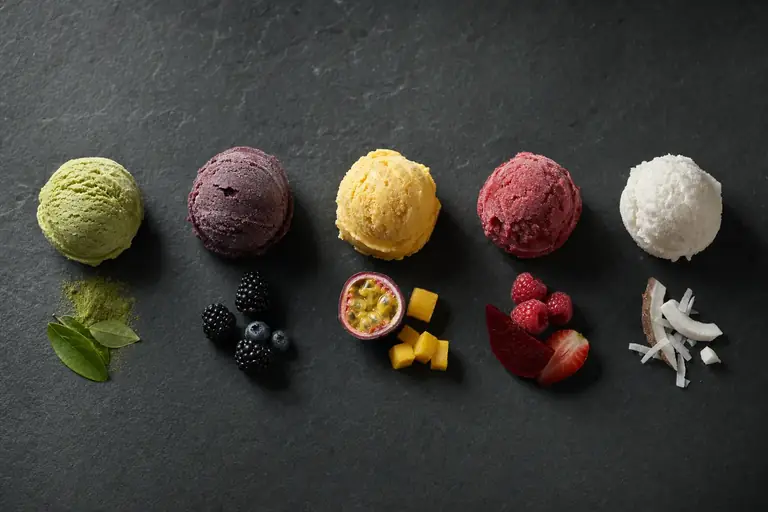
Overhead flat lay of five scoops of gelato in a row on charcoal slate, each a different colour, with a matching raw ingredient beside each one.

The four jobs a second ingredient can do

If it is not doing one of these, it is decoration.

  1. 01

    It sharpens

    Salt and acid, cutting sweetness so the first ingredient tastes more like itself.

  2. 02

    It lengthens

    Fat, carrying flavour and holding it on the tongue after the cold has gone.

  3. 03

    It counterweights

    Bitterness against sugar, which is why a serious board always has one.

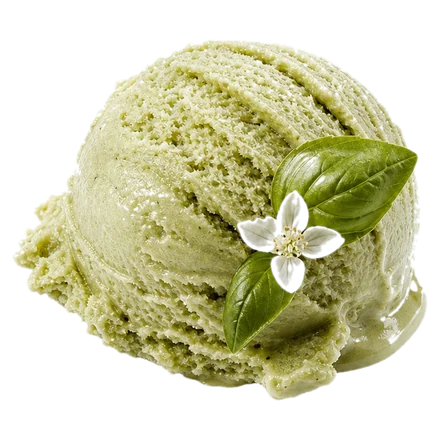
A scoop of pale sage-green basil gelato with basil leaves and a small white flower.
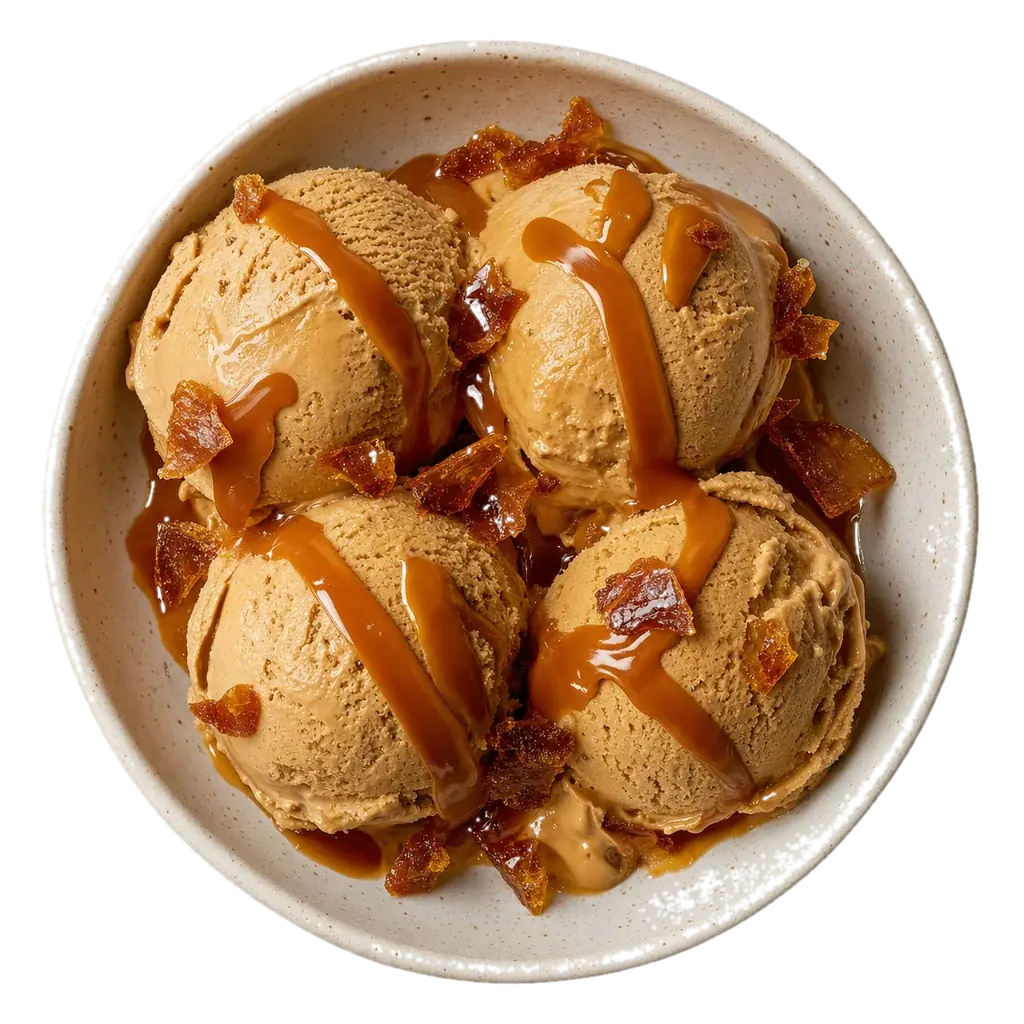
A bowl of dulce de leche gelato seen from above with caramel drizzled over it.

Ask what the second ingredient is for.

The ten-second read:count the bitter entries, count the sorbets, and look at the pistachio. At least one bitter scoop, at least two water sorbets and a dull sage pistachio means somebody tasted the board before they sold it.

A flavour board is a list of decisions, and most of them are legible from the outside. The single most useful question at any counter is not what is in a scoop but what the second ingredient is for. There are only four honest answers, and a pairing that cannot give one of them is there to be photographed.

One: it sharpens

Salt and acid both do this. They do not add flavour of their own so much as make the first ingredient taste more like itself, by cutting through sweetness and resetting the palate between spoonfuls. Salted caramel is the famous case; olive oil with sea salt and strawberry with black pepper are the same mechanism applied further out.

Two: it lengthens

Fat carries flavour compounds and holds them on the tongue, so adding fat makes a flavour last rather than making it louder. Olive oil, nut pastes, egg yolk and cream all do this. It is why a lean fruit sorbet tastes bright and brief while the same fruit in a dairy base tastes rounder and stays longer.

Three: it counterweights

Bitterness against sweetness, and the reason a serious board always carries a bitter chocolate or an espresso. Cacao nib, burnt caramel, amaro and strong tea all pull in this direction. A board with no bitter entry anywhere is a board that has decided not to challenge anybody.

Four: it adds texture, not taste

Chocolate shards, crushed wafer, candied nuts, biscuit. These change the experience without changing the flavour, and they are the most honest kind of addition because nobody pretends otherwise. Granizado is the Argentine version, covered on the Argentine helado page.
Five combinations that earn their place

Not the strangest five. The five where the mechanism is clearest, which makes them the best place to start if unusual flavours are new territory.

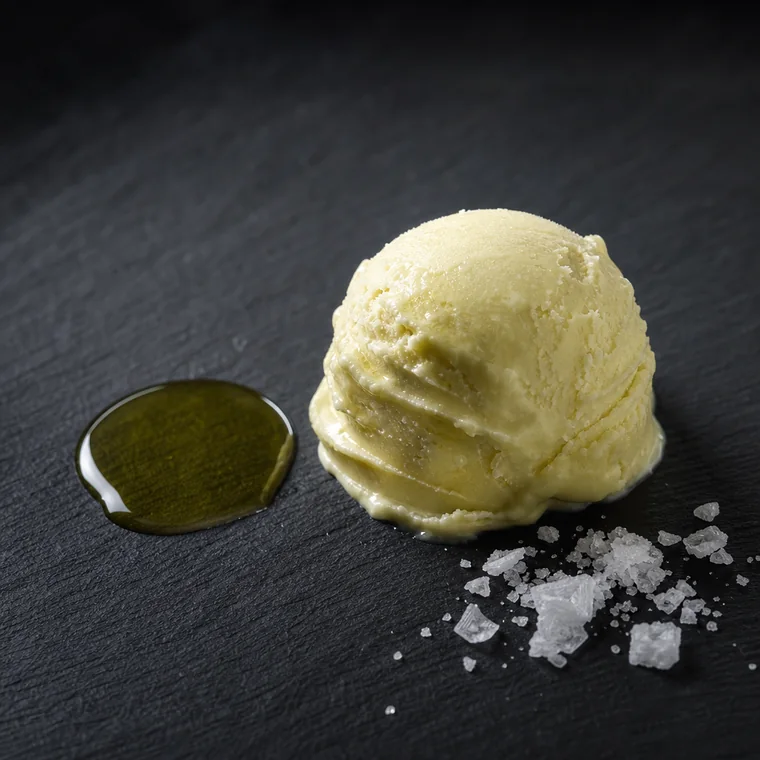
A pale cream scoop of olive oil gelato beside a shallow pool of golden-green olive oil and a scattering of flaky sea salt.

01

Olive oil and sea salt

Why it worksFat lengthens the scoop and salt sharpens it. Both jobs at once, in the same mouthful, which is why it converts sceptics faster than anything else here.

Ask for it on a plain crema base if the counter offers a choice. A fruit base fights the oil rather than carrying it.

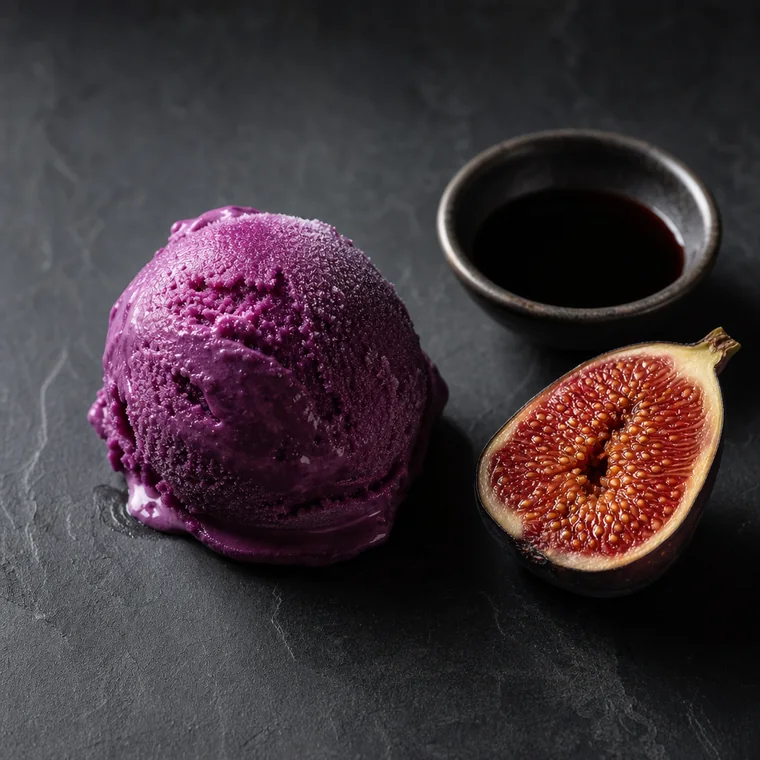
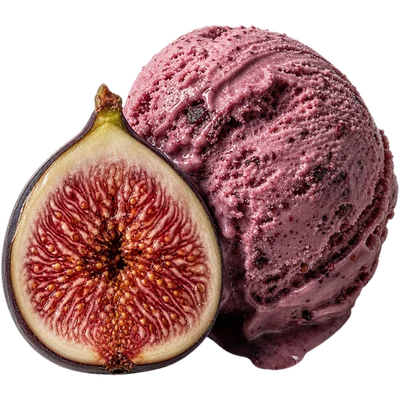
A scoop of deep violet fig gelato beside a halved black fig and a small dish of dark balsamic vinegar.

02

Black fig and balsamic

Why it worksAged balsamic is sweet before it is sour, so it reads as a deeper fig rather than as vinegar. The acid does the sharpening while the fruit stays intact.

Only works with properly aged balsamic. Young vinegar makes it taste like a salad, and there is no recovering from that.

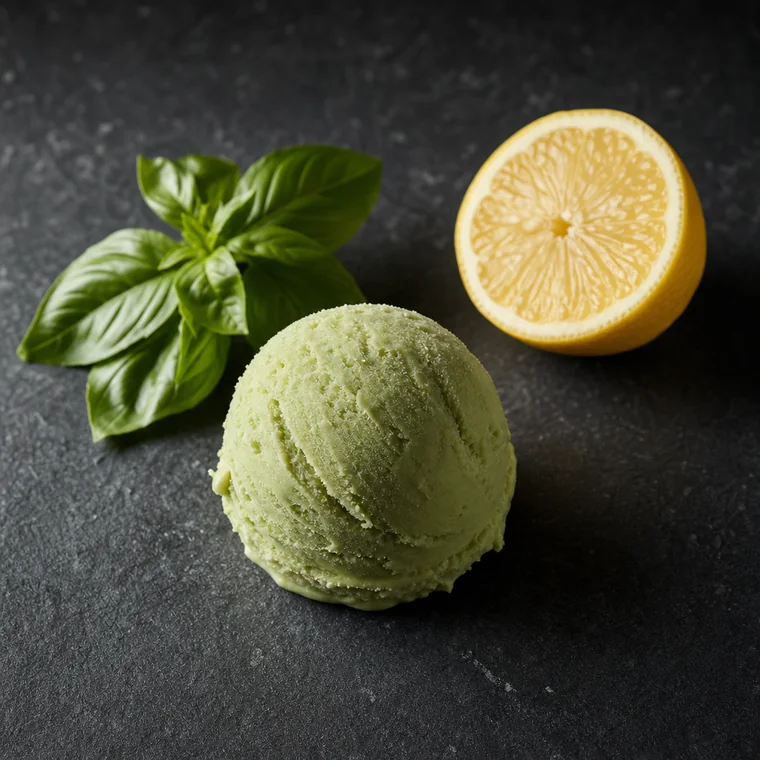
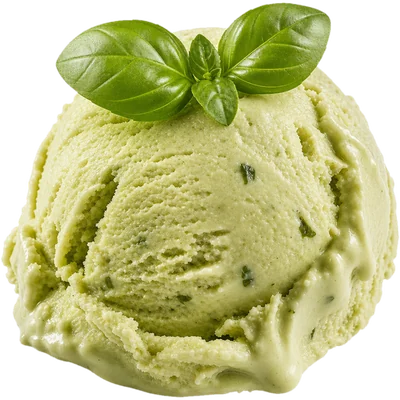
A pale sage-green scoop of basil gelato beside a sprig of fresh basil and a halved lemon.

03

Basil and lemon

Why it worksBasil is a soft herb with a sweet edge that turns soapy on its own in a dairy base. Citrus is what holds it in place, so the two are not optional together.

The benchmark for the whole herbal group. If a counter gets this one right, trust the rest of its herbal entries.

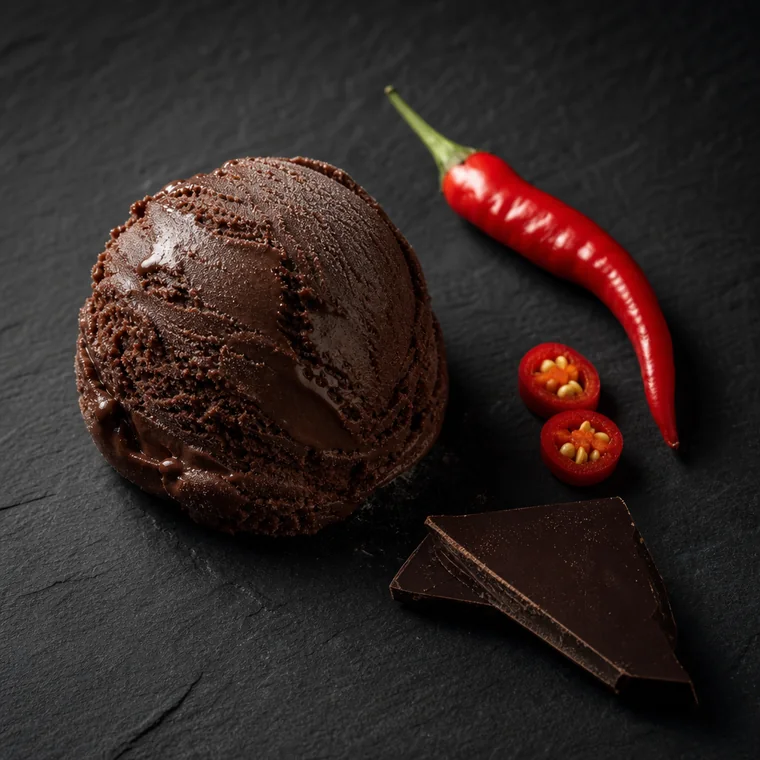
A scoop of dark chocolate gelato beside a whole red chilli with two slices and a shard of dark chocolate.

04

Chilli and chocolate

Why it worksHeat arrives after the sweetness rather than with it, so the finish stays warm instead of cloying. Bitterness from the cacao counterweights at the same time.

Centuries older than the ice cream it now sits in. A version where the heat arrives first has too much chilli and not enough chocolate.

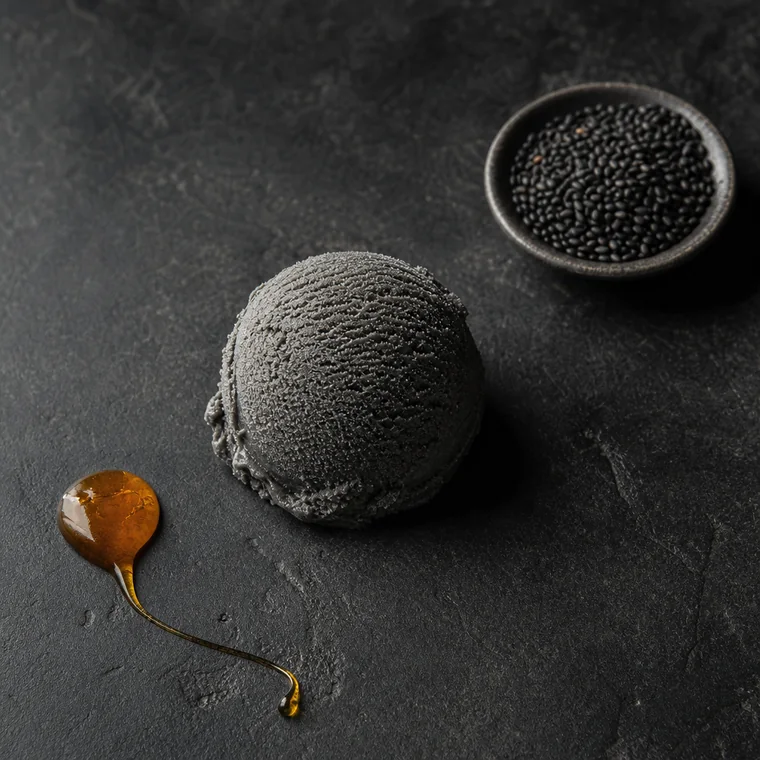
A scoop of dark slate-grey black sesame gelato beside a dish of glossy black sesame seeds and a thread of amber honey.

05

Black sesame and honey

Why it worksSesame behaves like a toasted nut, which means fat and a long finish, and honey stops the toasted note going flat and dusty in the middle.

The colour puts people off and should not. It is the closest thing on this list to a nut flavour without being one.

What goes with what

Six bases against six additions, from the same four mechanisms. Every cell is filled in, because leaving one blank would be a claim without a reason behind it.

  • Works
  • Needs care
  • Fights it
Base against addition
BaseSaltAcidBitterNut fatHerbCrunch
Crema / vanillaworksneeds careworksworksworksworks
Dark chocolateworksneeds careworksworksneeds careworks
Dulce de lecheworksneeds careworksworksfights itworks
Fruit sorbetneeds careworksneeds carefights itworksneeds care
Nut baseworksneeds careworksneeds carefights itworks
Herbal baseneeds careworksfights itneeds carefights itneeds care

Questions about pairing

The ones that decide an order.

What are the best ice cream flavour combinations to start with?

Olive oil with sea salt, then basil with lemon. The first shows what fat and salt do in the same mouthful and the second shows what acid does for a herb. Between them they cover three of the four mechanisms, which makes everything else on a board easier to read.

How do I tell a real pairing from a gimmick?

Ask what the second ingredient is for. If the answer is that it sharpens, lengthens, counterweights or adds texture, it is a flavour. If the answer is a colour, a name or a photograph, it is decoration, and it will taste like the first ingredient with something in the way.

Which combinations should be avoided?

Two aromatics against each other with no acid or fat between them, and anything watery in a dairy base. Herb with herb goes soapy fast, and a high-water ingredient freezes into crystals rather than cream, which is why cucumber and melon belong in a granita instead.

Can two scoops be paired in the same cup?

Yes, and the same four jobs apply across the cup rather than inside one scoop. A bitter chocolate beside a dulce de leche is a counterweight; a lemon sorbet beside a crema is a sharpener. Two sweet cremas together is the pairing that goes wrong most often.

Does the order of eating matter?

More than most people expect. Sorbet before dairy, sharp before sweet, and bitter last, because a fat-coated tongue mutes everything that follows it. It is the same logic as a wine flight and it costs nothing to follow.

Stay curious. Try another scoop.

See all unusual flavours