
- 2ingredients
- 3ways to ruin it
- 5 minread
Argentina's sweet pride
Dulce de Leche Explained: What It Is, the Recipe, and Why It Is Not Caramel
Milk, sugar and a great deal of patience. The result is closer to a dairy preserve than to a sauce, and the difference from caramel is not a technicality.
What is dulce de leche, and why it is not caramel
One ingredient list, one long cook, and a chemical reaction that caramel never has.
- 01
Milk and sugar
Roughly four parts milk to one of sugar, plus a pinch of bicarbonate of soda.
- 02
A bare simmer
Hours rather than minutes. The colour is the timer and there is no shortcut past it.
- 03
Reduced by three quarters
It looks done before it is done, and it thickens further off the heat.
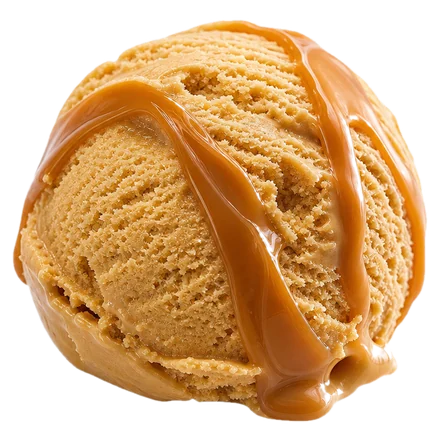
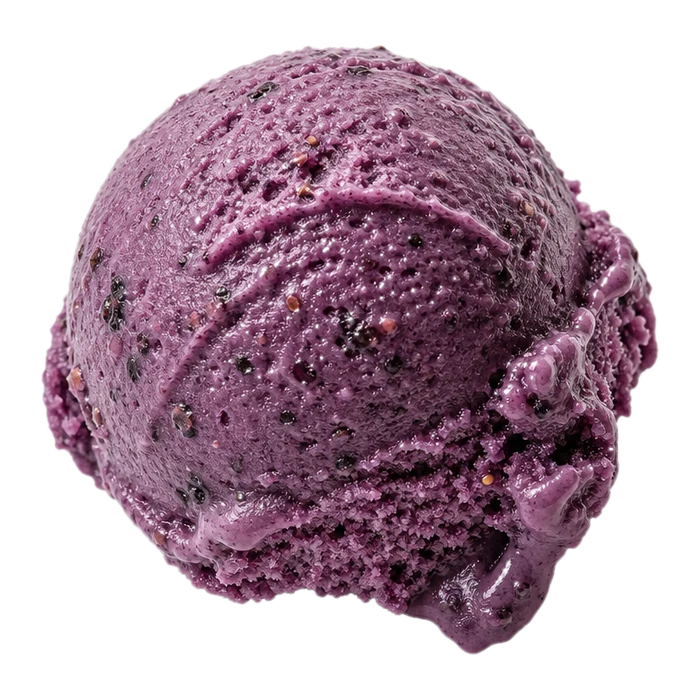
Caramel starts from sugar. This starts from milk.
Related but not the same:cajeta in Mexico uses goat's milk, which brings a distinct tang. Doce de leite in Brazil is close to the Argentine version. Confiture de lait in France is the same idea with a different name and usually a shorter cook.
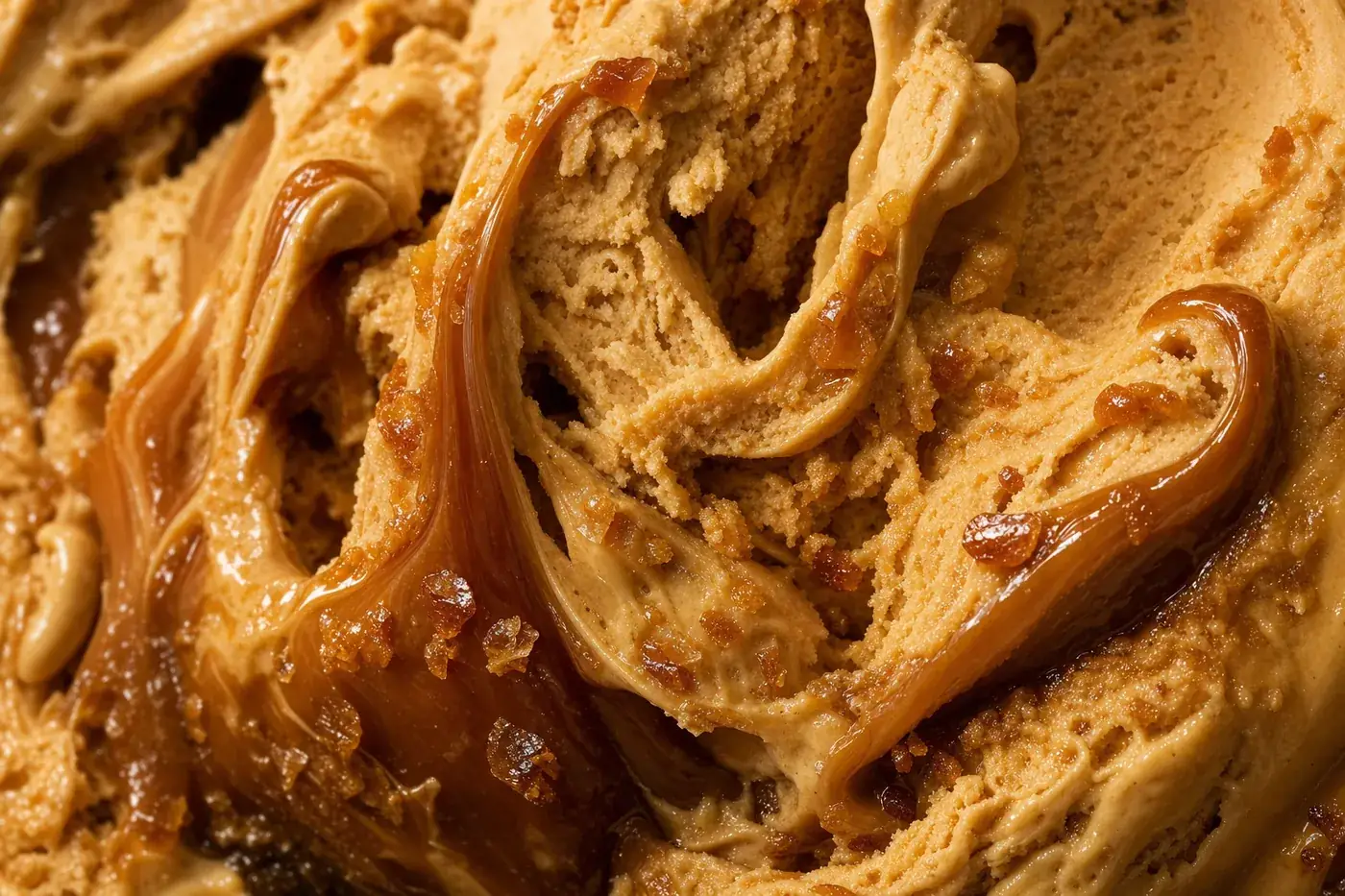
Dulce de leche is milk and sugar cooked down slowly, for a long time, until the water has gone and what is left is a thick, spreadable, deep amber paste. That is the entire ingredient list in a traditional batch, plus a pinch of bicarbonate of soda to help the colour along. The name is literal: sweet of milk.
Caramel is a different thing made a different way. Caramel starts from sugar alone, heated until it breaks down and browns, and dairy is added afterwards if it is added at all. Dulce de leche browns while the milk is still in the pan, so the milk proteins and the sugars brown together in a Maillard reaction rather than a simple caramelisation. That is why it keeps a dairy roundness and a faint savoury depth that burnt-sugar caramel does not have, and why substituting one for the other in a recipe never quite works.
Milk and sugar, and a lot of time
The proportions are unfussy: roughly four parts milk to one part sugar by weight, reduced by three quarters. What is fussy is the time, because the reaction that makes the flavour needs both heat and duration, and rushing it gives a pale, thin, sweet milk with none of the character. A traditional batch is stirred for hours, and the colour is the timer.
Whole milk matters more than it looks. Fat carries the flavour compounds the reaction creates, so a batch made with skimmed milk tastes flatter even when the colour is right. This is the same principle that runs through every dense frozen dessert, which the gelato versus ice cream page takes apart in detail.
The recipe, and the three ways it goes wrong
The short recipe: warm the milk and sugar together until the sugar dissolves, add a pinch of bicarbonate of soda, then hold it at a bare simmer and stir until it has reduced by about three quarters and coats the back of a spoon thickly. It will look done before it is done. Off the heat it thickens further as it cools.
- Too hot. A rolling boil scorches the milk solids on the base of the pan and the whole batch takes on a burnt edge that stirring cannot fix.
- Too fast. Reduced quickly, it thickens without browning, and what comes out is sweetened condensed milk rather than dulce de leche.
- Too much soda. A pinch helps the browning. More than a pinch gives a soapy, faintly metallic aftertaste that is unmistakable and permanent.
The tinned shortcut, boiling an unopened can of condensed milk, does produce something close, because condensed milk is already most of the way there. It is also the version most likely to have been made without the long slow browning, so it is sweeter and less complex. Whether that matters depends entirely on what it is going into.
Why argentina treats it as a staple
In Argentina dulce de leche is not a topping, it is a pantry item, and it appears in a range that surprises visitors: spread on toast at breakfast, between the two biscuits of an alfajor, folded into a pastry, layered into a cake, and above all worked into helado, where it is not one flavour but a family of them.
That ubiquity has a consequence for every other flavour around it. Once an ingredient this sweet is central to a board, everything else is calibrated against it, which is why Argentine fruit sorbets run sharper than their Italian equivalents. The full board logic is on the Argentinian ice cream page.

The same idea, six countries
Milk cooked down with sugar is not only Argentine. The variations are real rather than regional pride, and the difference is usually the milk or the length of the cook.
| Flavour | What it is doing | Group |
|---|---|---|
| Dulce de leche | The reference version. Cow's milk, a long slow cook, thick enough to spread. | Argentina |
| Cajeta | Goat's milk, which brings a distinct tang the cow's-milk versions do not have. | Mexico |
| Doce de leite | Very close to the Argentine version; often cooked a shade further. | Brazil |
| Manjar | Looser and paler, and used as a filling more often than as a spread. | Chile and Peru |
| Arequipe | Darker and firmer, and the standard filling for obleas wafers. | Colombia |
| Confiture de lait | The same idea with a shorter cook, so it stays lighter and less caramelised. | France |
Questions about dulce de leche
Asked in kitchens and in front of cabinets, in roughly this order.
Is dulce de leche the same as caramel?
No. Caramel starts from sugar alone and browns on its own; dulce de leche browns while the milk is still in the pan, so proteins and sugars brown together. That is why it keeps a dairy roundness and a faint savoury depth, and why it behaves differently in a recipe.
Can it be made with condensed milk?
Yes, and boiling an unopened tin is the common shortcut, because condensed milk is already most of the way there. The result is sweeter and less complex than a batch cooked from fresh milk, since it has usually skipped the long slow browning that builds the flavour.
How long does homemade dulce de leche keep?
In a sealed jar in the fridge, a couple of weeks comfortably, because the sugar concentration does most of the preserving work. It firms up considerably when cold and loosens again at room temperature, which is normal rather than a fault.
Why did my batch turn grainy?
Almost always heat. Held above a bare simmer, the milk solids catch on the base of the pan and break up through the mixture. A heavy pan, a low flame and constant stirring are the whole technique; there is no ingredient that fixes a scorched batch.
What is an alfajor?
Two soft biscuits sandwiched with dulce de leche, usually coated in chocolate or rolled in coconut. It is the most common way Argentines eat the stuff outside a jar, and it is a fair test of the filling, since there is nowhere for a poor one to hide.